Find Your Stride: The Essential Guide to Men's Running Shoes
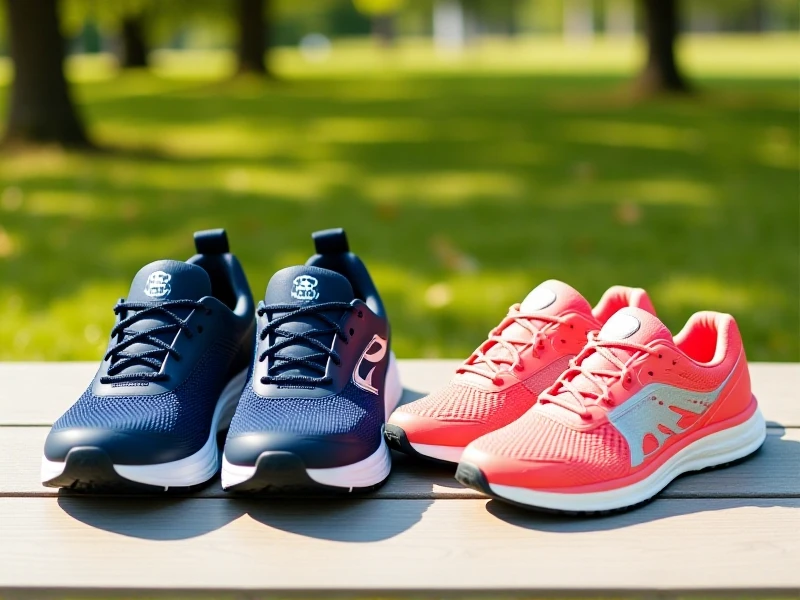
Here is an SEO-optimized article focused on "Men's Running Shoes":
Every stride counts, and the foundation of a great run starts with the right footwear. Men's running shoes are meticulously engineered to enhance performance, provide comfort, and reduce the risk of injury. With a vast array of options available, navigating the choices can feel overwhelming. This guide breaks down what matters most when finding your perfect pair.
The first critical distinction lies in the type of running you do most often:
- Road Running Shoes: Designed for pavement and hard surfaces, these prioritize cushioning and smooth transitions. Ideal for daily training, long distances, or marathons.
- Trail Running Shoes: Built for rugged terrain like dirt paths, rocks, and mud. Featuring aggressive outsoles for superior traction, durable uppers, and often rock plates for underfoot protection.
- Racing Flats/Racing Shoes: Ultra-lightweight men's running shoes crafted for speed on race day or fast training sessions. Offer minimal cushioning for maximum energy return and a responsive feel.
- Stability/Support Shoes: Incorporate features like medial posts or firmer foam densities to help control overpronation (excessive inward rolling of the foot).
- Neutral Cushioned Shoes: Offer balanced cushioning without structured support elements, suitable for runners with neutral gaits or supination (outward rolling).
Beyond terrain and purpose, focusing on key technologies ensures a comfortable and supportive fit:
- Midsole Cushioning: This is the heart of the shoe. Different foams (like EVA, PU, or proprietary blends like Nike Air Zoom, adidas Boost, Brooks DNA LOFT) provide varying degrees of softness, energy return, and responsiveness. Decide if you prefer plush comfort or a snappy, fast feel.
- Support Features: Understand your foot strike and arch type. Stability shoes offer controlled support, while neutral shoes allow natural foot motion. Many brands offer gait analysis tools online or in-store.
- Upper Construction & Fit: Look for breathable mesh materials to keep feet cool. The fit should be snug but not tight, with ample space (about a thumbnail's width) in front of your longest toe to prevent blisters and black toenails. Heel counters should offer secure lockdown.
- Outsole Durability & Traction: Carbon rubber strategically placed in high-wear areas (like the heel) boosts longevity. Trail men's running shoes feature multidirectional lugs for grip, while road outsoles are smoother.
- Weight: Lighter shoes often feel faster but might offer less cushioning. Heavier trainers prioritize protection and support for longer miles. Find the right balance for your training intensity.
Investing the time to find the best men's running shoes tailored to your feet and goals is crucial. They dramatically impact your comfort, efficiency, and running longevity. Consider visiting a specialty running store for expert fitting advice to truly unlock your potential mile after mile. Good shoes make good runs! What features are most important in your next pair?